
Have a specific question instead? Visit our FAQ, read our full buying & repair guides, or email us your model number.
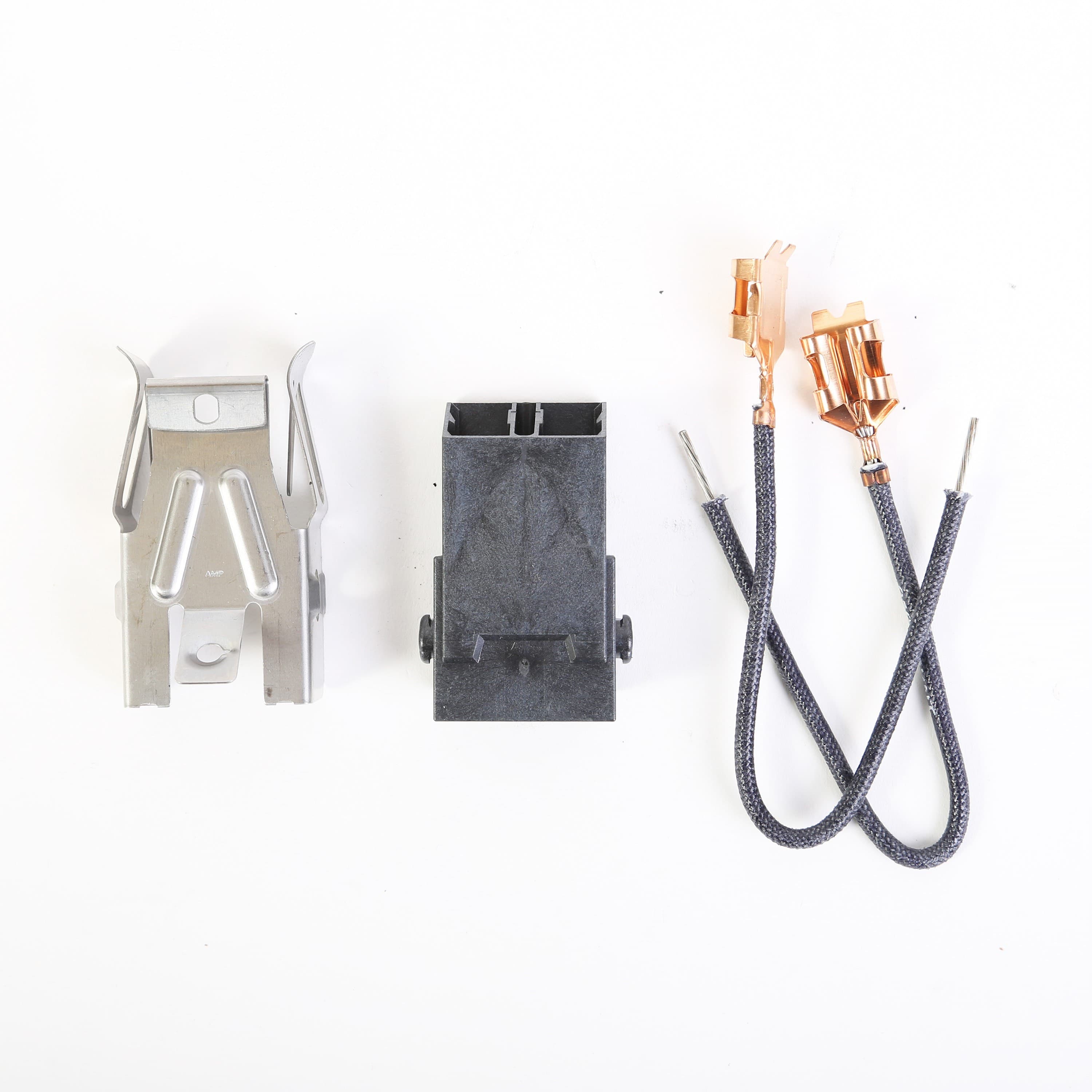
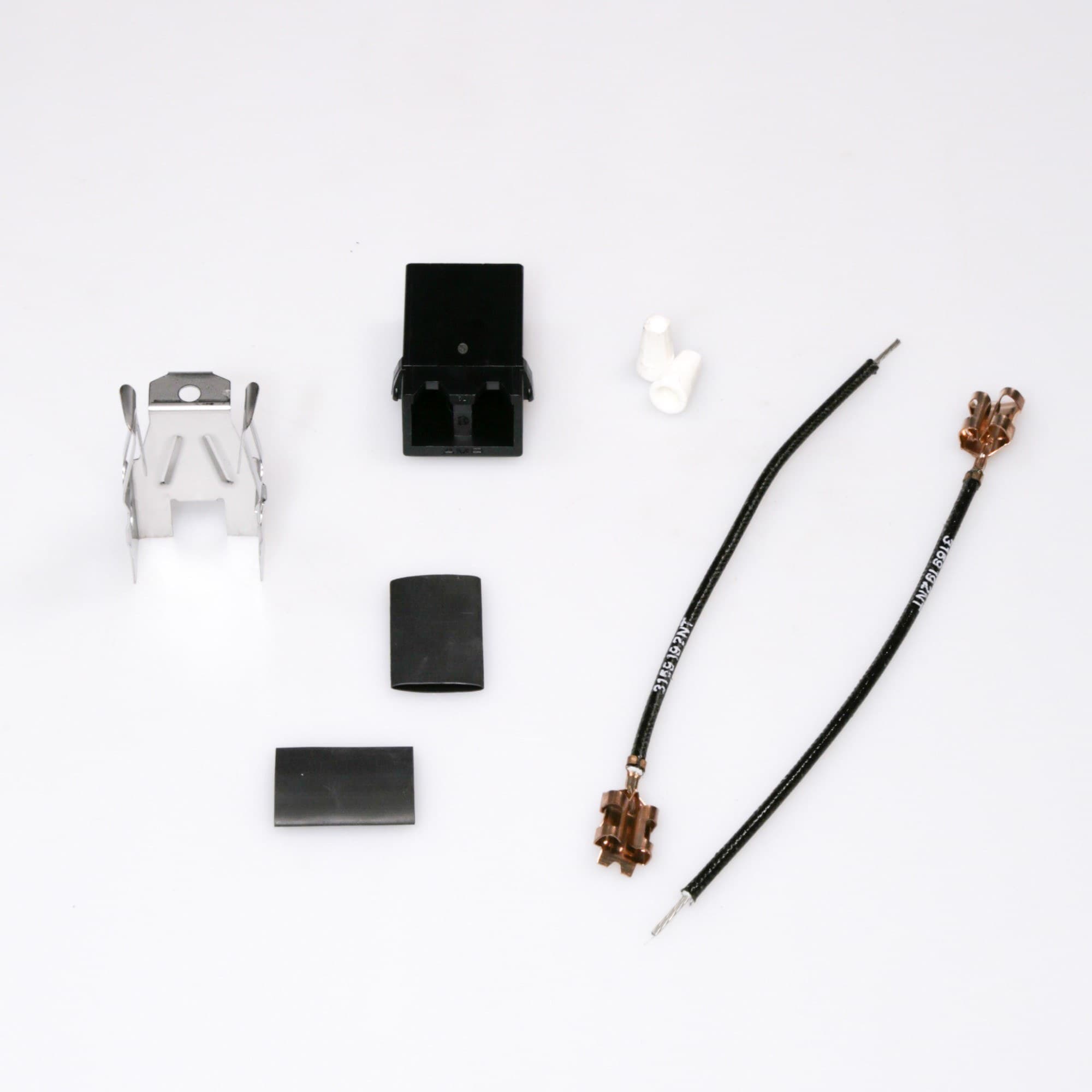
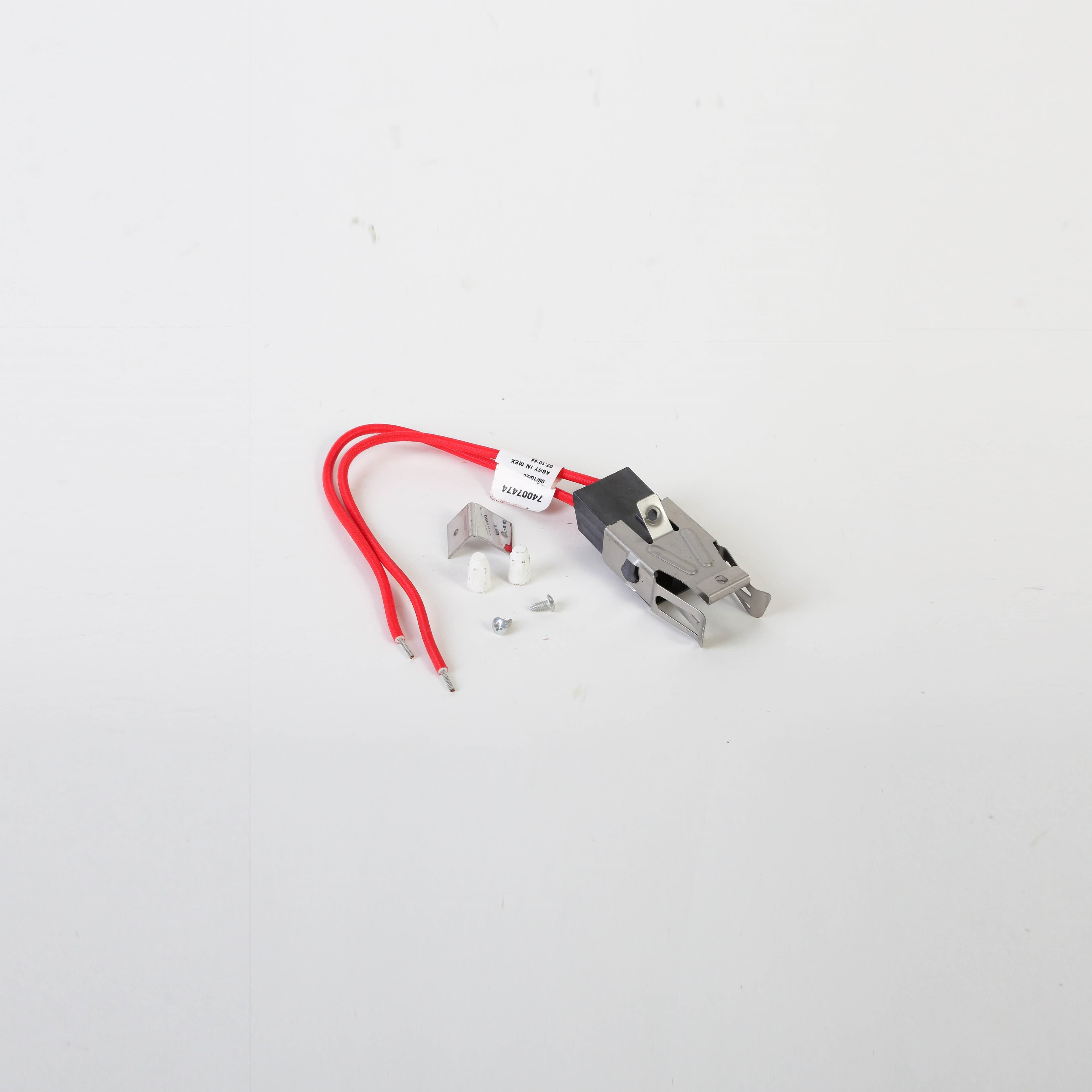
Range Receptacle
The electrical socket mounted on an electric range or oven that a surface burner element or bake/broil element plugs into, so the element can be unplugged and replaced without rewiring the unit. Receptacles wear out from heat cycling and arcing — a common cause of a replacement element failing again shortly after installation.
O-Ring
A small circular rubber or silicone ring that seals a joint between two parts — commonly used on fryer drain valves, gas fittings, and pump housings — to stop oil, water, or gas from leaking past the connection. O-rings are a wear item and are usually replaced any time the joint they seal is opened for service.
Door Gasket / Seal
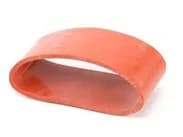
The heat-resistant strip that runs around an oven, steamer, or dish-machine door to keep heat, steam, or water contained when the door is closed. A worn or torn gasket lets heat escape, increases cook times and energy use, and is one of the most common replacement parts on aging cooking equipment.
Pilot Assembly
The small standing flame and its mounting bracket/tubing that ignites the main gas burner on older commercial ranges, ovens, and fryers. A failing pilot assembly shows up as a pilot that won't stay lit, a weak or yellow flame, or a burner that won't ignite even though gas is reaching it.
Burner Head
The cast or stamped component at the top of a gas burner where fuel and air mix and combustion actually happens — the part with the visible flame ports. Clogged or corroded burner heads cause uneven flame patterns, sooting, and poor heat output, and are usually replaceable without swapping the whole burner assembly.
Control Valve
The valve that regulates gas flow to a burner or pilot, often combined with a safety shutoff that stops gas flow if the pilot or ignition system fails. Control valves are safety-critical parts — a valve that won't hold pilot, leaks, or won't modulate flame height should be replaced rather than repaired.
Igniter
The spark or hot-surface component that lights the gas at a burner or pilot without a standing flame. Spark igniters click repeatedly to generate an electric arc; hot-surface igniters glow to ignite gas directly. A clicking-but-no-spark or no-glow igniter is one of the most common reasons a burner won't light.
Thermostat / Temperature Control
The component that senses cooking cavity temperature and cycles the burner or heating element on and off to hold a set temperature. A drifting or failed thermostat causes food to be under- or over-cooked even when the dial setting is correct, and is usually diagnosed with an independent oven thermometer before replacement.
Heating Element
The resistive coil or rod that generates heat in an electric oven, range, or fryer — typically a bake element, broil element, or fry-vat element. Elements fail by breaking (visible gap or blister in the coil) or by their internal insulation shorting to the equipment's frame, which can trip a breaker or GFCI.
Drip Pan / Broiler Pan
The removable tray beneath burners, broilers, or grates that catches grease, food debris, and condensate before it can reach the burner or wiring below. Warped, rusted-through, or missing drip pans are both a fire risk and a common reason burners run dirty.
Grate
The cast-iron or stamped-steel top surface a pot or pan sits on over a gas burner. Grates crack from thermal shock (cold pan on a hot grate) or wear thin over years of use, causing pans to sit unevenly over the flame.